

FROM THE FIELD: Hardy seeds bear fruit to protect Colombia’s environment
Climate and Environment
Communities in Colombia in South America are being helped by the UN Development Programme (UNDP) to preserve and reintroduce indigenous crops as a way to combat the effects of climate change.
The Antioquia region, a key agricultural area, has experienced steadily rising temperatures and now dry seasons are lasting longer. Rains, when they arrive, are more intense and often lead to flooding.
In response, local farmers have been working with the UN to identify crops which are more resistant to drought and flooding.
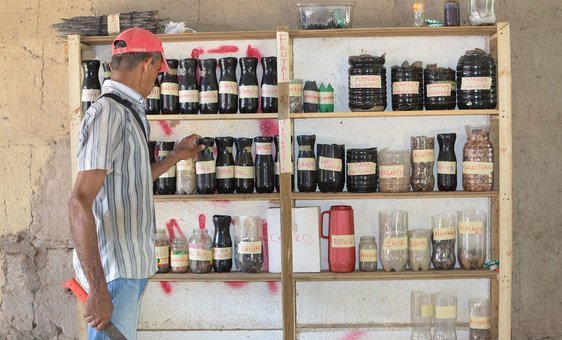
Seeds, including cashew, loquat and tamarind have been collected using age-old indigenous knowledge and now the efforts of farmers are beginning to bear fruit.